
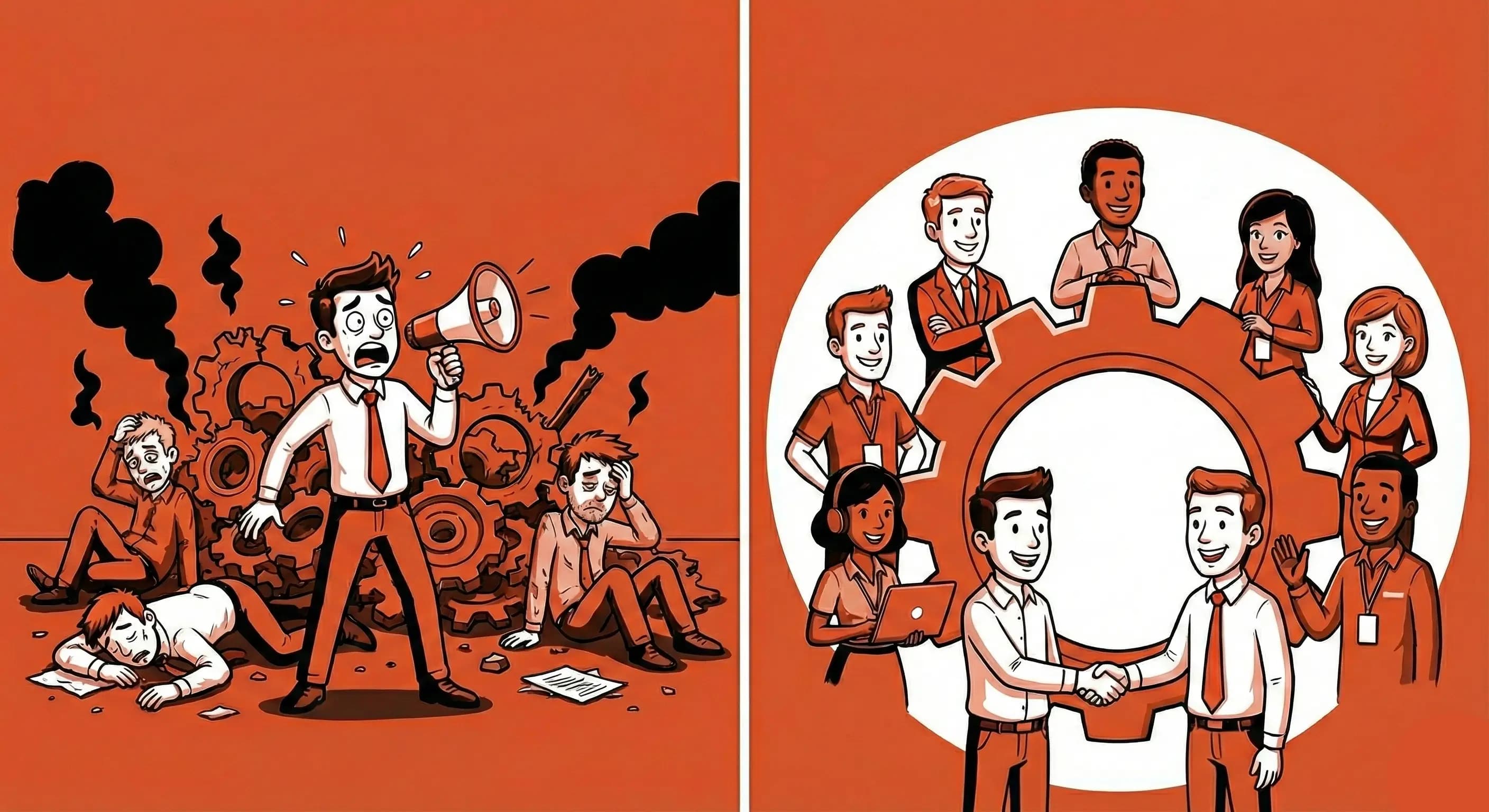
7 Essential Roles for Zero-Fail Event Management
Behind every successful event is a well-coordinated team. Learn the critical roles that ensure flawless execution and how to structure your crew for maximum efficiency.
Why Team Structure Makes or Breaks Events
Every event organiser knows the feeling: months of planning can unravel in minutes if the right people aren't in the right positions. The difference between a seamless event and a chaotic one often comes down to how well you've structured your team.
A zero-fail event isn't about preventing every possible problem. It's about having the right people ready to handle issues before they escalate. This guide breaks down the essential roles you need and how each contributes to flawless execution.
The 7 Critical Roles for Event Success
1. Event Director
The Event Director is the strategic leader who oversees the entire operation. This person maintains the big-picture view while everyone else focuses on their specific responsibilities.
Their primary function is decision-making under pressure. When unexpected situations arise, the Event Director has the authority to make calls that affect multiple departments. They're the single point of accountability for event success.
Key responsibilities include:
- Final approval on all major decisions
- Coordination between different team leads
- Stakeholder and VIP management
- Crisis response and escalation handling
A common mistake is assigning this role to someone already handling operational tasks. The Event Director needs bandwidth to think strategically, not execute tactically.
2. Operations Manager
While the Event Director focuses on strategy, the Operations Manager handles execution. This role translates plans into action and ensures every logistical element runs on schedule.
The Operations Manager creates and maintains the master timeline. They know exactly when vendors arrive, when doors open, when sessions start, and when teardown begins. Their day starts before anyone else's and ends after everyone leaves.
Core duties:
- Venue coordination and setup supervision
- Vendor management and timeline enforcement
- Equipment and resource allocation
- Troubleshooting operational issues in real-time
3. Registration and Check-In Lead
First impressions matter. The Registration Lead manages the critical moment when attendees arrive and form their initial opinion of your event. Long queues and confused staff can sour an experience before it even begins.
This role requires someone who stays calm under pressure. Peak arrival times create intense bursts of activity, and the Registration Lead must keep their team focused and efficient during these rushes.
Their scope covers:
- Training check-in crew on systems and procedures
- Managing attendee flow and queue control
- Handling registration exceptions and walk-ins
- Real-time coordination with security for access control
The best Registration Leads anticipate bottlenecks before they form. They position extra staff during expected rush periods and have backup procedures ready for technical failures.
4. Technical and AV Coordinator
Nothing disrupts an event faster than a microphone that doesn't work or a presentation that won't display. The Technical Coordinator ensures all audio-visual elements function flawlessly from start to finish.
This person needs deep technical knowledge but also strong communication skills. They must translate technical problems into simple terms for speakers and event staff while quickly diagnosing and resolving issues.
Technical responsibilities:
- Sound system setup and monitoring
- Presentation equipment and backup systems
- Live streaming and recording (if applicable)
- Lighting coordination for different event segments
5. Guest Experience Manager
The Guest Experience Manager focuses entirely on attendee satisfaction. While others handle logistics, this person watches for confused faces, listens for complaints, and proactively addresses concerns before they're voiced.
This role often gets overlooked in favour of operational positions. That's a mistake. Attendee perception determines whether your event is remembered positively, and this person shapes that perception throughout the day.
Focus areas include:
- Monitoring attendee flow and comfort
- Coordinating with hospitality and catering
- Handling attendee inquiries and complaints
- Managing special requests and accessibility needs
A skilled Guest Experience Manager circulates constantly. They don't wait at a help desk; they move through the venue, making themselves available and observing the attendee journey.
6. Communications Coordinator
Information flow can make or break event execution. The Communications Coordinator ensures that every team member receives timely updates and that messaging to attendees remains consistent and accurate.
During live events, situations change rapidly. A session runs long, a speaker cancels, a room change becomes necessary. The Communications Coordinator disseminates these updates through the appropriate channels without creating confusion.
Communication duties:
- Real-time updates to crew via radio or messaging
- Attendee announcements and signage updates
- Social media monitoring and response
- Documentation of issues for post-event review
7. Check-In Crew Members
The check-in crew forms the front line of your event. These team members directly interact with every attendee, scanning tickets, answering questions, and setting the tone for the entire experience.
Unlike leadership roles, check-in crew members need clear, specific instructions rather than broad authority. They should know exactly what to do in common scenarios and who to escalate to when exceptions arise.
Crew member responsibilities:
- QR code scanning and ticket validation
- Directing attendees to appropriate areas
- Answering basic event questions
- Flagging issues to the Registration Lead
The best check-in crews are friendly but efficient. They balance hospitality with speed, ensuring attendees feel welcomed without creating delays for those waiting behind them.
Building Your Team Structure
The roles above don't exist in isolation. They form a hierarchy that enables quick decision-making and clear accountability.
Reporting structure for a medium-sized event:
Event Director
├── Operations Manager
│   ├── Technical Coordinator
│   └── Venue Staff
├── Registration Lead
│   └── Check-In Crew (3-5 members)
├── Guest Experience Manager
│   └── Hospitality Staff
└── Communications Coordinator
For smaller events, one person might cover multiple roles. An Operations Manager might also handle technical coordination. A Registration Lead might double as Guest Experience Manager. The key is ensuring every responsibility has a clear owner.
Common Team Mistakes to Avoid
Even with the right roles defined, teams fail when execution breaks down. These are the patterns that consistently cause problems.
Unclear escalation paths create paralysis. When a check-in crew member encounters an issue, they need to know immediately who to contact. Build explicit escalation procedures: "If you can't resolve it in 30 seconds, call the Registration Lead."
Over-centralised decision-making creates bottlenecks. If every small decision requires the Event Director's approval, response times suffer. Define what each role can decide independently and what requires escalation.
Insufficient crew training causes inconsistency. Your check-in process might be perfectly designed, but if crew members weren't trained properly, execution will vary. Invest time in pre-event briefings and practice runs.
No backup assignments leave gaps. What happens if your Technical Coordinator gets sick on event day? Every critical role needs a designated backup who can step in if needed.
The Check-In Crew: Your Most Visible Team
Your check-in crew deserves special attention because they interact with every single attendee. Their performance directly impacts perceived event quality.
A well-trained check-in crew shares these characteristics. They remain calm during rush periods, even when queues grow. They know the event layout and can direct attendees confidently. They understand the check-in system thoroughly and can troubleshoot common issues without assistance.
Training should cover more than just the technical process. Crew members need to understand the event context, know VIP protocols, and recognise when situations require escalation. Role-playing common scenarios during training builds confidence and consistency.
Consider your crew-to-attendee ratio carefully. As a general guideline, plan for one check-in station per 100 expected attendees for events with staggered arrivals. For events where everyone arrives within a short window, increase that ratio significantly.
Technology as a Force Multiplier
The right tools amplify your team's effectiveness. Modern event management platforms handle the repetitive work, freeing your crew to focus on attendee experience.
Digital check-in systems eliminate paper lists and manual searching. QR code scanning reduces check-in time to seconds. Real-time dashboards show Registration Leads exactly how many attendees have arrived and who's still expected.
When evaluating event technology, prioritise simplicity for your crew. The most feature-rich platform means nothing if your check-in team can't use it confidently under pressure. Look for intuitive interfaces that require minimal training.
Managing Your Event Crew with Ticketee.io
Building an effective event team requires more than defining roles. You need systems to assign the right people to each event, control what they can access, and track their performance.
Ticketee.io's Member Management feature was built specifically for this challenge. It lets you create a structured team within your organisation and assign specific crew members to specific events.
How it works:
The platform supports three role levels that mirror real event hierarchies. Owners and Admins have full access to create events, manage attendees, run campaigns, and oversee all operations. Members can only access events they've been explicitly assigned to, perfect for check-in crew who need scanner access without seeing your entire event portfolio.
When you add a crew member to your organisation, you choose their role based on their responsibilities. For event-day staff who only need to scan tickets, the Member role provides exactly the right level of access. They can open the mobile check-in scanner, validate attendee QR codes, and see real-time attendance stats for their assigned events.
The assignment workflow is straightforward:
- Invite team members to your organisation via email
- Set their role (Admin for managers, Member for crew)
- Assign specific members to specific events
- Crew members receive access only to their assigned events
- On event day, they scan QR codes from any mobile device
This structure solves a common problem: you want your check-in crew to help with scanning, but you don't want them accessing attendee data, running campaigns, or seeing other events. Role-based permissions make this possible without complex configuration.
Every check-in records which crew member performed it. This creates accountability and helps you identify your most efficient team members for future events. You can see exactly who checked in each attendee and when.
For event production companies managing multiple clients, the member system scales naturally. Add your regular crew to your organisation once, then assign them to client events as needed. They see only what they need to see, and you maintain full control over your client data.
Start Building Your Event Team Today
A zero-fail event starts with the right team structure. Define your roles clearly, train your crew thoroughly, and give them tools that make their jobs easier.
Ticketee.io handles the operational complexity so your team can focus on delivering exceptional experiences. From bulk attendee imports to real-time check-in tracking, the platform supports every stage of event execution.
Ready to streamline your event crew management?
Create your free Ticketee.io account and start building your team. Import your first event, invite your crew members, and experience how role-based access control simplifies event-day operations.
Your next flawless event is one signup away.
Have questions about structuring your event team? Contact us for guidance tailored to your event type and scale.